Verona's architectural treasures often overwhelm visitors, with 78% missing key landmarks according to recent tourism surveys. The city's layered history - from Roman ruins to Renaissance palazzos - creates a navigation challenge that leaves many travelers frustrated. Architecture enthusiasts frequently report spending hours circling crowded hotspots like Juliet's balcony, unaware that equally stunning but less visited masterpieces lie just streets away. This missed opportunity stings particularly hard when limited vacation time is at stake, with many returning home only to discover they walked past UNESCO sites without realizing their significance. The stress of self-guided exploration in this architecturally dense city can overshadow the joy of discovery.
Avoiding the crowds at Verona's Roman landmarks
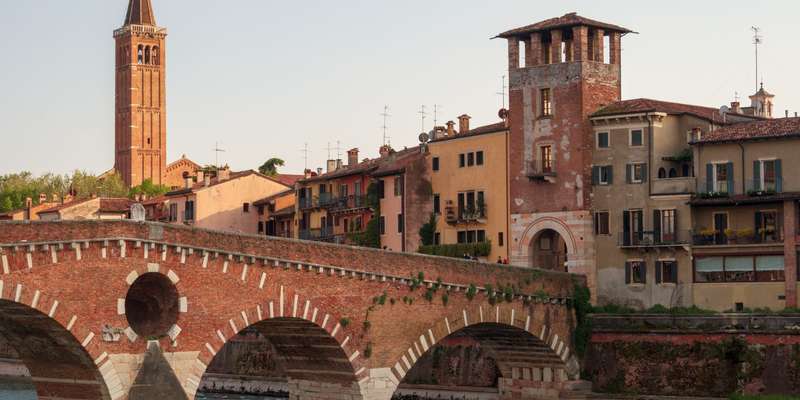
While the Arena di Verona draws over 500,000 visitors annually, savvy architecture fans know the ancient Roman gate Porta Borsari offers equally impressive 1st-century craftsmanship without queues. The limestone arches reveal original carvings when examined closely, showcasing engineering techniques that predate the more famous amphitheater. Early mornings (before 8:30am) provide perfect lighting to appreciate the alternating arched and trabeated systems, a feature most guided tours overlook. For those willing to venture slightly further, the Roman Theatre near Ponte Pietra combines archaeological ruins with panoramic city views, its marble seats still bearing visible numbering from antiquity. These lesser-studied sites allow uninterrupted examination of construction methods that defined Western architecture.
UPDATES FOR YEAR 2026
Smart Access and Enhanced Accessibility for Verona’s Historic Landmarks
Verona’s architectural circuit has undergone a significant digital and physical transformation to accommodate global crowds. Visiting the Roman Arena now requires navigating a strictly nominative digital ticketing system; travelers must use the official app as printed vouchers and screenshots are no longer accepted for entry. Physical accessibility has also reached a new standard, with the installation of a permanent elevator and specialized ramps within the Arena, allowing for unprecedented views from the highest stone tiers. At the Roman Theatre and the Castelvecchio Museum, timed entry slots are mandatory to manage visitor flow. Visitors should also look for the newly launched inclusive tours at the Archaeological Museum, which utilize Augmentative and Alternative Communication (CAA) tools to interpret ancient ruins for a wider range of sensory needs. If you are driving, ensure your hotel registers your license plate in the municipal portal within 72 hours to avoid substantial fines in the expanded Limited Traffic Zones (ZTL).
View all Tours
Decoding Verona's medieval building secrets
The Scaliger tombs near Piazza dei Signori represent Gothic architecture at its most flamboyant, but the real medieval magic lies in interpreting their symbolic carvings. Local historians note how the intricate bas-reliefs on Arco dei Gavi tell stories of 13th-century trade routes through material choices - the imported red marble was deliberately selected to showcase family wealth. Down Via Mazzini, sharp-eyed observers can spot original medieval shopfronts disguised behind modern facades, identifiable by their narrow proportions and overhead arches. A little-known trick is to follow the route of ancient defensive walls, marked by sudden changes in building materials between Via Rosa and Corso Porta Borsari, where 12th-century stonework abruptly meets Renaissance brick.
View all Tours
Renaissance palaces most visitors miss
Beyond the well-trodden path to Palazzo della Ragione lies a constellation of privately-owned Renaissance marvels with equally impressive courtyards. The Palazzo Canossa on Via Cavour hides a stunning double loggia visible through its wrought-iron gates, while Palazzo Maffei's mix of Gothic and Renaissance elements showcases Verona's architectural transition period. Architecture students frequently linger near Palazzo Bevilacqua's spiral columns, said to have inspired Bramante's Vatican designs. For those interested in urban evolution, the juxtaposition of Palazzo Pompei's clean classical lines against neighboring medieval towers near Castelvecchio demonstrates how 16th-century architects negotiated existing city layouts.
View all Tours
Modernist surprises in historic Verona
Few expect to find groundbreaking 20th-century architecture in this ancient city, but Carlo Scarpa's Castelvecchio Museum renovation revolutionized museum design worldwide. His innovative display systems and deliberate 'architectural interruptions' in the medieval castle create a dialogue between eras. The nearby Banca Popolare di Verona by Pier Luigi Nervi showcases his signature reinforced concrete techniques, its floating staircase appearing weightless despite massive scale. These modernist gems prove Verona's architectural significance extends far beyond its Roman and medieval periods, offering fresh perspectives for visitors who think they've seen all the city's design treasures.
View all Tours
FAQ 2026
What are the new entry rules for the Verona Arena in 2026?
Access now requires a mandatory digital ticket stored on the official ticketing app, as paper copies are no longer permitted. Because tickets are nominative, you must present a valid government-issued ID at the security gate that matches the name on your digital reservation.
Is a timed entry reservation required for the Castelvecchio Museum in 2026?
Yes, all visitors must select a specific entry time slot when purchasing tickets through the official Verona Museums website. This system is designed to prevent overcrowding in Carlo Scarpa's narrow architectural passages and ensures a more intimate viewing experience of the medieval and Renaissance collections.
How does the 2026 VeronaCard work for public transport and site entry?
The 2026 VeronaCard provides one-time entry to major sites and unlimited bus travel, but it must be validated digitally at the readers on every bus. For high-traffic landmarks like Juliet’s House, cardholders must still visit the official reservation portal to secure a mandatory time slot before their visit.
Written by Verona Tours Editorial Team & Licensed Local Experts.
Last updated: 24/02/26
