Navigating Verona's cobblestone streets and historic sites presents unique challenges for wheelchair users. Over 30% of travelers with mobility issues report unexpected accessibility barriers in Italian cities, often leading to frustration and missed experiences. The city's UNESCO-listed Roman amphitheater, medieval alleyways, and stepped piazzas weren't designed with modern accessibility standards in mind. Yet with 15% of global travelers identifying as mobility-impaired, understanding Verona's actual accessibility – beyond generic 'disabled access' claims – becomes crucial. Locals know which routes bypass uneven pavements, which attractions have hidden elevators, and when quiet mornings make navigation easier. This guide reveals practical realities beyond official brochures, helping you enjoy Juliet's balcony and Roman ruins without accessibility surprises.
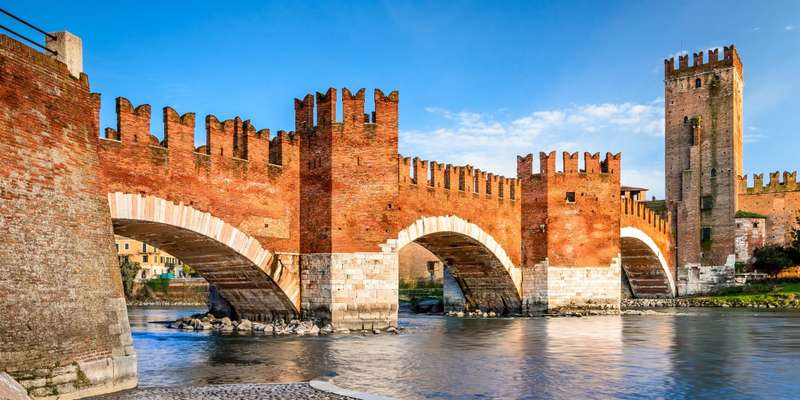
Navigating Verona's historic center with a wheelchair
Verona's picturesque centro storico poses the greatest accessibility challenge, with its medieval paving stones and occasional stepped passages. However, strategic route planning makes exploration possible. The main shopping thoroughfares like Via Mazzini have smoothed stone surfaces, while Corso Porta Borsari offers accessible routes to Piazza delle Erbe. Key sights like Juliet's House have ramped entry, though interior courtyards may have gravel surfaces. Local insight reveals that early mornings provide easier navigation when crowds thin, and that the city's subtle slope from Piazza Bra to the Adige River means downhill routes require less effort. Many trattorias in the center have installed removable ramps – a simple 'accessibile per sedie a rotelle?' asked in advance ensures smooth dining experiences.
View all Tours
Accessible Verona attractions with hidden features
Several major Verona landmarks offer more accessibility than meets the eye. The Arena di Verona provides reserved wheelchair spaces with companion seats for opera performances, accessed via a side elevator. Castelvecchio Museum has a comprehensive accessibility system including tactile paths, while the Basilica of San Zeno installed a innovative platform lift for its raised entrance. Lesser-known gems like the Giardino Giusti maintain accessible routes through their terraced gardens. Local tip: Verona's tourist office provides an updated 'Verona Without Barriers' map detailing elevator locations at multi-level sites. For the Roman Theater, the accessible entrance via the Archaeological Museum avoids the steep original stairway, revealing how strategic entry points transform seemingly inaccessible monuments.
UPDATES FOR YEAR 2026
New Accessibility Legacy: The Arena’s Modern Transformation
Significant infrastructure upgrades have recently transformed Verona’s accessibility landscape. A newly completed accessible corridor now connects Porta Nuova station directly to Piazza Bra, featuring a kilometer-long stretch of smooth sidewalks and standardized curb ramps designed for seamless wheelchair transit. Most notably, the Arena di Verona has undergone a historic renovation, introducing its first-ever internal elevator to the upper tiers and modernized seating sectors. Visitors can now benefit from the 'Arena for All' initiative, which provides multisensory backstage tours and digital supports across major opera performances. Additionally, Juliet’s House has moved to a strictly digital booking system, requiring all visitors—including those with disabilities—to reserve their time-slotted entrance through the official civic museums portal to manage crowd flow and ensure safety.
View all Tours
Where to find wheelchair-friendly accommodation
Verona's accommodation options vary significantly in accessibility. Hotels near Porta Nuova train station generally offer the most reliable access, with the NH Collection Verona Palazzo Victoria featuring spacious adapted rooms and roll-in showers. Historic properties in the center often compensate for architectural constraints with creative solutions – the Due Torri Hotel installed a discreet lift to bypass its 14th-century stairwell. For apartment rentals, the San Zeno district provides good accessibility with modern buildings near tram lines. Essential verification questions include exact elevator dimensions (many historic buildings have small cabins) and bathroom layout details, as Italian accessibility standards differ from northern Europe. Several agriturismos in the surrounding vineyards now offer fully adapted units with pool lifts, combining rural charm with accessibility.
View all Tours
Local services that make exploration easier
Verona's mobility services can significantly enhance your visit. The AMAT public buses feature wheelchair ramps on major routes, while the city's bike-sharing program includes adapted cycles. For temporary needs, Farmacia San Fermo rents medical-grade wheelchairs better suited to cobblestones than standard models. Specialized tour operators like Accessible Italy provide adapted vehicles for wine-tasting trips to Valpolicella. A little-known resource is Verona's social cooperative 'Il Carro,' which offers accessibility companions to assist with challenging routes. Remember that Italian disability certification (contrassegno invalidi) grants parking privileges and museum entry discounts, though foreign permits are generally honored. With these local supports, even evening passeggiata along Via Cappello becomes an achievable pleasure rather than a logistical challenge.
View all Tours
FAQ 2026
How has the Arena di Verona’s accessibility improved for 2026?
The Arena now features a permanent internal elevator and new ramps that allow wheelchair users to access seating areas and upper tiers that were previously unreachable. These upgrades, part of a major restoration project, also include modernized accessible restrooms and expanded seating for companions.
Do I need to book Juliet’s House in advance for a 2026 visit?
Yes, entry to Juliet’s House and its courtyard is now managed through an online-only booking system; disabled visitors and their companions still receive free entry but must reserve a specific time slot via the official Musei Verona website to guarantee access.
How do I register my vehicle for ZTL access in Verona during 2026?
To enter the restricted traffic zone (ZTL) without penalty, you must register your license plate and European Disability Card details through the official 'Accessi ZTL' portal (accessiztl.comune.verona.it) within 72 hours of your arrival in the city.
Written by Verona Tours Editorial Team & Licensed Local Experts.
Last updated: 24/02/26

