Navigating Verona without a car can feel daunting for first-time visitors, with 62% of travelers reporting transport-related stress in historic Italian cities. The maze of ZTL (limited traffic zones), expensive taxis, and confusing bus routes often leaves tourists wasting precious vacation time or missing hidden gems. Unlike car-dependent destinations, Verona's compact historic center rewards those who embrace alternative transport, yet most travel guides overlook practical, money-saving strategies used by locals. Whether you're trying to reach Juliet's House without getting lost or venture to lesser-known districts like San Zeno, understanding the right options makes all the difference between a frustrating trip and an effortless Italian adventure.
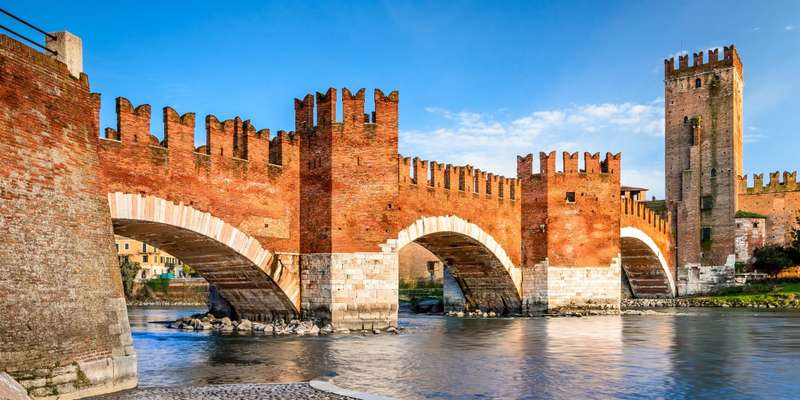
Why walking beats driving in Verona's historic heart
Verona's UNESCO-listed center was designed for pedestrians, not vehicles, with major attractions like the Arena and Piazza delle Erbe all within a 15-minute stroll. The ZTL restrictions (active daily 7:30am-8pm) mean even rental cars become liabilities, with hefty fines for unauthorized entry. Locals know the real magic happens when exploring on foot – you'll discover artisan workshops near Via Mazzini, hidden courtyards with faded frescoes, and family-run osterias that never appear on taxi routes. While summer temperatures can soar, early morning or evening walks let you experience the city's romance without crowds. For those with mobility concerns, the flat flagstone streets are generally wheelchair-friendly, though cobblestones near Castelvecchio require caution.
View all Tours
Mastering Verona's buses – routes only locals know
ATV's orange buses provide affordable access beyond the center, but most tourists only use the overcrowded #11 to Arena. Savvy travelers instead take the #21 to San Zeno Basilica (Verona's most stunning church) or #31 to Castel San Pietro for panoramic views. The 90-minute integrated ticket (€1.70) becomes a bargain when paired with strategic timing – avoid 8am commuter rushes. Download the 'AMT Verona' app for real-time tracking, as printed schedules at stops are unreliable. A little-known trick: buses marked 'Extraurbano' serve wine country villages like Valpolicella for under €3, perfect for afternoon vineyard visits without expensive tours.
UPDATES FOR YEAR 2026
Essential Transit Updates and Arena Access Advisory
Travelers should now prioritize the 'Bip&Vai' contactless system on all city buses, which allows you to tap a credit card or digital wallet directly on board, eliminating the struggle to find physical ticket kiosks or use outdated apps. Be aware that the Verona Arena faces significant access restrictions and closures early in the season due to Winter Olympics preparations; always verify entry windows before arrival as many traditional tour slots are suspended. The city's official bike-sharing system is 'Verona Bike' (replacing older mentions of regional services), which now requires registration via a dedicated smartphone app to unlock electric models. Additionally, ZTL (Limited Traffic Zone) enforcement has tightened; unauthorized entry is strictly prohibited outside the specific weekday windows of 10:00-14:30 and 16:00-18:00, with automated fines having increased significantly.
View all Tours
Two-wheeled Verona – bike secrets from residents
Locals have cycled Verona's riverside paths since the 1950s, and today's bike-sharing system (BikeMi) offers electric bikes ideal for reaching hillside viewpoints. The Adige River cycle path connects major sites stress-free, while lesser-known routes like the former railway track to Lake Garda appeal to adventurous riders. Traditional rental shops near Ponte Pietra provide vintage bicycles with baskets perfect for market stops – ask for the 'giro delle piazze' (square tour) map showing safe secondary streets. Remember: cycling inside the ZTL is permitted, but dismount in crowded piazzas to avoid €50 fines. Evening rides along illuminated Roman bridges create unforgettable memories without the daytime heat.
View all Tours
When to splurge on Verona's transport luxuries
While most transport needs are cheaply met, strategic upgrades maximize limited time. The VeronaCard (€20/72hrs) pays for itself with Arena entry plus unlimited buses, while water taxis on the Adige offer unique sunset perspectives of Roman ruins. For special occasions, horse-drawn carriages from Piazza Bra provide romantic tours with licensed guides sharing untold Scaligeri dynasty secrets. Groups of 4+ may find daytime taxi hires cost-effective to distant sites like Giardino Giusti (€12 fixed fare from center), especially with luggage. Locals recommend booking electric golf carts for elderly travelers through hotels – these legally bypass ZTL rules while accessing charming alleys impossible for standard vehicles.
View all Tours
FAQ 2026
Can I pay for Verona buses with a contactless credit card in 2026?
Yes, as of 2026, all ATV city buses are equipped with 'Bip&Vai' technology, allowing you to pay for your fare by tapping any contactless credit card, debit card, or digital wallet (Apple/Google Pay) on the onboard readers.
Is the Verona Arena open for interior tours during the 2026 season?
Access to the Arena in 2026 is limited due to its role as a primary venue for the Winter Olympics. The monument is scheduled to be closed to the public for general tours until late March 2026, with restricted entry windows thereafter.
How much does a 24-hour VeronaCard cost in 2026?
The 24-hour VeronaCard is priced at €30 in 2026. It remains the most cost-effective option for visitors, as it includes unlimited use of the city's ATV bus network and skip-the-line access to major museums and the Arena (when available).
Written by Verona Tours Editorial Team & Licensed Local Experts.
Last updated: 24/02/26
