Capturing Verona's timeless beauty can be frustrating for visitors. Over 80% of tourist photos focus on just three crowded landmarks, missing the city's authentic charm. You battle with midday crowds, harsh lighting, and generic compositions that fail to reflect Verona's romantic soul. The pressure to create memorable images adds stress to what should be a joyful experience, with many travelers returning home disappointed by their blurry balcony shots or poorly framed arena photos. This guide shares insider techniques to help you photograph Verona like a pro, avoiding the clichés while discovering breathtaking perspectives even most locals don't know.
Avoiding the crowds at Verona's most photographed landmarks
The iconic Juliet's Balcony attracts over 1.5 million visitors annually, creating a photography nightmare with constant crowds. Instead of fighting for space at peak hours, arrive before 8am when morning light softly illuminates the stonework without harsh shadows. The adjacent Casa di Giulietta courtyard offers better angles from the sides – position yourself near the ivy-covered walls to frame the balcony with natural greenery. For the Arena di Verona, skip the obvious frontal shots. Walk along Via Mazzini until you find the perfect archway framing the ancient structure, creating depth in your composition. These subtle adjustments help you capture landmark photos that stand out from typical tourist snapshots.
UPDATES FOR YEAR 2026
Essential Logistics: Updated Access Rules for Major Landmarks
Current visitors must adapt to significant changes at Verona’s primary landmarks to ensure seamless photography sessions. Access to Juliet’s Balcony now requires a pre-booked, timed-entry ticket via the official Musei di Verona portal; walk-ins are increasingly restricted during peak hours to manage crowd density. Furthermore, the Arena di Verona is undergoing periodic structural enhancements and stage preparations for major international sporting ceremonies. Photographers should verify the weekly event calendar as external scaffolding or temporary closures can impact wide-angle exterior shots. For those heading to Giardino Giusti, digital reservations are now the preferred method of entry, ensuring the garden’s manicured hedges remain pristine for portraits. To avoid the high-density crowds associated with regional events, focus your itinerary on the San Zeno district or the hilltop views from Castel San Pietro, which remain accessible without the new reservation mandates.
View all Tours
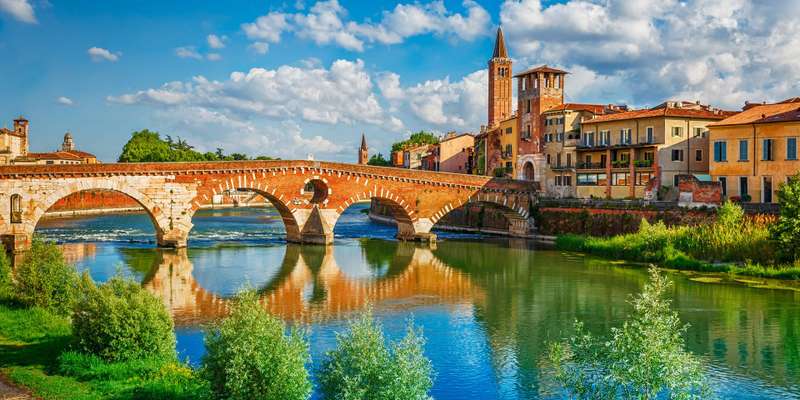
Golden hour magic along the Adige River
Verona's riverbanks transform into a photographer's paradise during golden hour, when warm light bathes pastel buildings in amber hues. The Ponte Pietra bridge offers the most dramatic vantage point – arrive 90 minutes before sunset to secure your spot on the western side. As sunlight filters through the ancient arches, capture reflections dancing on the water's surface. For unique perspectives, follow the riverpath toward San Giorgio in Braida church where locals stroll during passeggiata. The long shadows and warm tones create natural depth in street photography shots. Remember to adjust your white balance to 'cloudy' for richer colors that enhance Verona's romantic atmosphere without over-editing.
View all Tours
Hidden courtyards and secret gardens most tourists miss
Beyond the main attractions, Verona conceals photogenic gems in its residential districts. The Giardino Giusti near the city center features manicured Renaissance hedges forming perfect natural frames for portraits. Few visitors venture into the San Zeno district's backstreets, where weathered wooden doors and flower-filled window boxes create authentic Italian vignettes. For architectural details, the Scala Family Tombs near Sant'Anastasia church showcase stunning Gothic stonework without crowds. These locations reward patient photographers with unique imagery that tells Verona's full story. Early mornings are ideal, when soft light filters through narrow alleys and local shopkeepers don't mind thoughtful photographers capturing daily life.
View all Tours
Professional techniques for next-level Verona photography
Elevate your travel photos by applying local photographers' favorite tricks. For interior shots in Verona's churches, use doorways as natural frames to lead the eye toward stunning frescoes. When photographing Piazza delle Erbe's market stalls, set your camera to aperture priority (f/4-f/8) to keep both foreground produce and historic buildings in focus. If using a smartphone, enable gridlines to apply the rule of thirds when composing balcony shots. Many professional Verona photographers recommend using a circular polarizer filter to enhance blue skies above terracotta rooftops without over-saturation. These small adjustments require no expensive gear but dramatically improve your results, transforming standard vacation photos into gallery-worthy art.
View all Tours
FAQ 2026
Do I need to book in advance to photograph Juliet's Balcony in 2026?
Yes, for 2026, visitors must secure a timed-entry reservation through the official Verona civic museums website. This system has been implemented to reduce courtyard congestion, so spontaneous photography is no longer guaranteed without a pre-purchased digital pass.
Are there any closures at the Arena di Verona due to the 2026 Winter Olympics ceremonies?
The Arena di Verona will experience intermittent closures and limited interior access in early 2026 as it prepares for the Winter Olympics Closing Ceremony and the Paralympics Opening Ceremony. Check the official Fondazione Arena schedule for specific blackout dates where photography may be restricted by security protocols.
What is the best way to access the Castel San Pietro funicular for sunset photos in 2026?
In 2026, the funicular remains the most efficient route for sunset views; however, it is recommended to purchase contactless tickets at the station kiosk or via the local transport app to bypass ticket window queues. Aim to arrive at least 45 minutes before golden hour to secure a tripod spot on the terrace.
Written by Verona Tours Editorial Team & Licensed Local Experts.
Last updated: 24/02/26
