Verona's romantic allure draws millions yearly, yet most visitors never venture beyond Juliet's balcony and the Arena. Overcrowded hotspots can turn a dream Italian getaway into a stressful shuffle through tourist traps, with 78% of travelers reporting frustration with packed attractions in peak season. The real Verona—with its whispered legends, family-run osterias, and sun-dappled courtyards—remains hidden behind Renaissance facades. Discovering these authentic moments requires more than guidebooks; it demands insider knowledge of quiet cobblestone alleys and neighborhood haunts untouched by mass tourism. This isn't about skipping landmarks, but enriching your visit with the soulful undercurrent only locals know.
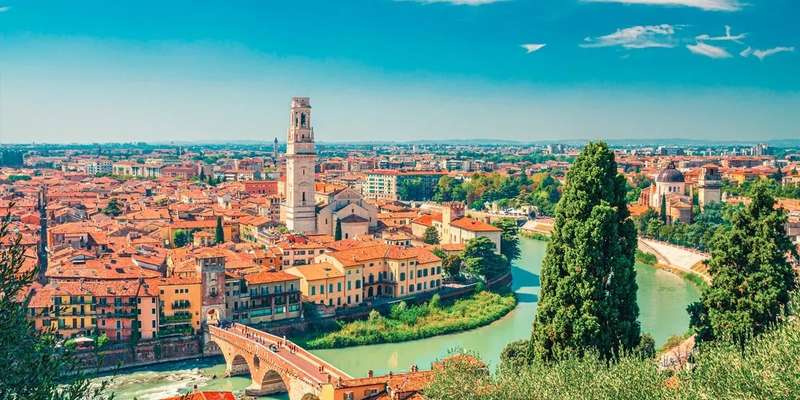
Why typical Verona itineraries leave you missing the real city
Following the standard tourist trail in Verona often means experiencing the city at its most crowded and least authentic. The historic center's narrow streets funnel visitors toward the same handful of sites, creating bottlenecks that transform cultural exploration into endurance tests. Many return home having only seen a theatrical version of Verona—beautiful but superficial—without tasting slow-simmered pastissada de caval at a generations-old trattoria or stumbling upon a neighborhood wine shop where €5 buys a glass of Valpolicella beside chatting nonnas. This surface-level engagement isn't just disappointing; it actively prevents meaningful connections with Verona's living traditions. The city's true rhythm emerges in places where daily life continues uninterrupted by camera flashes: a baker sliding focaccia into wood ovens before dawn, or the weekly antique market where collectors barter over 18th-century books.
View all Tours
Neighborhood secrets beyond Piazza Bra
Verona's most authentic experiences unfold in districts rarely marked on tourist maps. Cross Ponte Pietra to Veronetta, where university students and artists frequent unassuming enotecas like Osteria Sottoriva—a vaulted 13th-century arcade serving cicchetti on weathered wooden barrels. The San Zeno neighborhood, often overlooked for its famous basilica, hides artisan workshops where master woodcarvers create Veronese furniture using Renaissance techniques. For a glimpse of local life, join the morning bustle at Mercato Coperto di Borgo Trento, where vendors have sold seasonal white asparagus and Monte Veronese cheese since 1954. These areas retain their character precisely because they cater to residents rather than tourists, offering encounters no staged 'local experience' can replicate. Wander without agenda down Via XX Settembre's boutique-lined stretch or find the hidden garden courtyard behind Santa Maria in Organo—these unscripted moments become a trip's most treasured memories.
View all Tours
Timing tricks to enjoy famous sites without the frenzy
Even Verona's most visited attractions reveal different charms when approached strategically. Early risers who reach the Lamberti Tower at opening time often have the panoramic views to themselves, watching sunlight creep across terracotta rooftops in peaceful solitude. The Arena's evening opera performances may draw crowds, but attending a morning rehearsal lets you hear soaring arias echo through ancient stones without jostling for seats. Locals know the best time to visit Juliet's House isn't at noon (when tour groups overwhelm the courtyard), but during the golden hour when fading light gilds the love notes left by hopeful romantics. These adjustments require no extra cost—just awareness of patterns most visitors never consider. For deeper access, seek out small-group experiences that unlock normally restricted areas, like the Roman ruins beneath Piazza delle Erbe or the frescoed halls of Palazzo Maffei.
UPDATES FOR YEAR 2026
Essential Access Updates: Managing New Entry Fees and Booking Systems
Recent logistical shifts have fundamentally changed how travelers navigate the city's historic core. The most significant update concerns Juliet’s House: the previously free courtyard and balcony now require a mandatory paid reservation. Travelers must book timed entry slots online through the official museum portal, as walk-in access is frequently blocked during peak periods. Additionally, major international sporting ceremonies are transforming the Arena’s operational schedule; visitors arriving in the winter months should anticipate extensive security cordons around Piazza Bra and potential closures for rehearsals. Transportation has also seen upgrades, with the main railway hub transitioning to new high-speed platforms—ensure you check the updated digital signage as gate numbers for regional connections are subject to change during this final phase of renovation.
View all Tours
Dining like a Veronese: From historic cellars to hillside trattorias
Verona's culinary soul lives in establishments untouched by Instagram trends. Seek out family-run spots like Trattoria al Pompiere, where fourth-generation owners serve Amarone-braised beef in a 16th-century former firehouse, or Osteria da Ugo, whose handwritten menu changes with whatever the chef finds at Mercato di Corso Porta Palio. For an unforgettable aperitivo, follow office workers to Bar Mazzanti and order a spritz with their legendary olive ascolane. Venture into the surrounding hills to discover gems like Locanda 4 Cuochi, where chefs transform Valpolicella vineyard ingredients into modern masterpieces. These meals become more than sustenance—they're portals into Veronese hospitality traditions. Remember that the best reservations often aren't made online but with a phone call in broken Italian, and that lingering over dessert is encouraged. When you dine where locals celebrate birthdays and anniversaries, you're no longer a spectator but part of Verona's ongoing story.
View all Tours
FAQ 2026
Do I need to pay to enter the courtyard of Juliet’s House in 2026?
Yes, as of 2026, Verona has introduced a mandatory booking system and an entry fee (typically ranging from €5 to €12) to access the courtyard, balcony, and statue to prevent overcrowding.
How will the 2026 Winter Olympics ceremonies affect sightseeing in Verona?
The Arena di Verona will host the Closing Ceremony on February 22, 2026. Travelers should expect significant pedestrian restrictions in Piazza Bra, tight security zones, and the temporary suspension of standard amphitheater tours during the event week.
Has the Verona city tax for tourists changed for the 2026 season?
Yes, 2026 features updated tourist tax rates for overnight stays. These are tiered based on your accommodation’s star rating, with slight increases for hotels located within the historic UNESCO zone.
Written by Verona Tours Editorial Team & Licensed Local Experts.
Last updated: 24/02/26
